November 2005 — Permaculture
Publisher's Message
Permaculture Lifestyle No amount of writing or pictures can tell the story of permaculture. It is largely one of those things in life that requires hands on experience. Hopefully this issue will inspire you to look into this inspiring system for creating a sustainable lifestyle and sustainable agricultural practices. Also, books on permaculture, including the Permaculature: A Designers Handbook referenced in this issue are inspiring both for the words and wisdom, but also for the power of the image to holistically show the vision of what is possible. Some of the ideas are pure science. Other ideas are observation of natural phenomena from which we can learn. Beyond these however, permaculture is like science with a spirit. This is a philosophy that reminds of us of the need to understand the cause for which we live. Like the native cultures that are and have been obliterated, we are trying to destroy any chance at a more intuitively spiritual sense of life that comes quite simply by living more closely in tune with nature. This is also permaculture. So much of our view of the world is tainted by preconceived ideas impregnated into our conscious since we were born. Learning that it can be comfortable, affordable and beautiful to live in a straw bale insulated home goes against our conventional thinking. How could the straw house that would get blown down by the big bad wolf be sensible…it will just blow away. Surely if even that logic were not true it must be common sense that it would easily burn down, infest with pests or rot away. Bricks! That is what we all need is brick. And so here in Canada we build monster homes covered by bricks. Look more closely and you will see something quite different. The bricks are pure façade, added to a light layer of insulation, put on top of wood “stick” framing, Roofing is the same. The result is the worst possible idea that looks solid on the surface. We fool ourselves with bricks providing no other purpose than a long lasting façade (no structural use despite this being their best feature). We must force ourselves to see with new eyes. Straw bales can withstand the test of time. Nebraska straw bale homes are still in use more than one hundred years after they were built. Stick framing has a better chance of burning openly and collecting pests in the wall cavities. And I'd take a straw bale home against and conventionally built home in any wind storm, earth quake or snow storm. The real story behind permanent agriculture is the people. Permaculture is a challenge for our farmers to take everything they already know about their land and to combine it with a deep practical understanding of nature. Working with nature, rather than against it, the long term prospects are improved yields, lower operating costs, and improving conditions on the land. We can all apply these ideas to our farms, from the window sill of our apartment, to our back yards in the city, our larger yards and homes in the suburbs, and of course most especially in our rural areas. I plan to work on creating more niches, more edge zones this coming spring. What will you learn and apply from permaculture? John Wilson, Founder of the Natural Life Network E-Mail: john.wilson@naturallifenetwork.com
Natural Living Journal John D. Wilson - Editor and Publisher Natural Living Journal Published by World Peace Communications Copyright © 2005 John D. Wilson Our Web Site: www.NaturalLivingNetwork.comE-Mail: john.wilson@naturallifenetwork.comPhone: (519) 942-3266 ADVERTISING SALES: Leigh Geraghty, Advertising Representative, (519) 942-3266, leigh.geraghty@sympatico.caCONTRIBUTE: We are always looking for new, interesting and inspiring stories, pictures, and poetry, about people who are achieving a natural lifestyle. If you would like to contribute an article or story then please send us a note with your idea. Contact John Wilson by email at john.wilson@naturallifenetwork.comAll contents of this issue of Natural Living Journal are copyrighted by John Wilson, World Peace Communications, 2005. All rights reserved. Printed in Canada.
SUBSCRIPTION SPECIAL OFFER
NAME
ADDRESS
CITY/STATE/PROVINCE ZIP/ POSTAL CODE COUNTRY
PHONEYES! Sign me up for Natural Living Journal. Orders must be prepaid. Here is my check/money order in U.S funds (Canadian orders in Canadian funds). Subscriptions/ membership includes shipping, handling and applicable taxes. $29 - Individual - 1-year subscription and membership, paperless Internet delivery, requires email (6 issues) $39 - Business - 1-year subscription and membership, paperless Internet delivery, requires email, and business directory listing with logo (6 issues) Membership includes answers to three questions (no more than one per month) through email for a year. To order online by credit card go to www.NaturalLifeNetwork.com. Send all subscriptions and renewals to payable to World Peace Communications. Mail to: World Peace Communications 248108 5th Side Rd., RR# 5 Orangeville, ON L9W 2Z2, Canada
Permaculture
Sustainable living may actually have a text book. If such a book exists it may be in the form of Permaculture A Designers Handbook. Literally we can think of it as permanent culture, another way of saying sustainable living. Actually the word permaculture comes from permanent agriculture. “It is the conscious design by humans in concert with nature, and includes the maintenance of agriculturally productive ecosystems which have the diversity, stability, and resilience of natural ecosystems. It is the harmonious integration of landscape and people providing their food, energy, shelter, and other material and non-material needs in a sustainable way.” (Permaculture, Mollison) The concepts were developed largely by Bill Mollison and David Holmgren in the 70's and 80's. Since then the ideas and concepts have been introduced and taught all over the world. In a world looking for solutions it is some comfort that such a broad set of knowledge, experience, and philiosphy with the sole aim of sustaining life on earth exists and is growing in popularity. The Prime Directive of Permaculture is that the only ethical decision is to take responsibility for our own existence and that of our children. Ethical Basis of Permaculture: 1.Care of the earth: provision of all life systems to continue and multiply. 2.Care of people: Provision for people to access those resources necessary to their existence. 3.Setting limits to population and consumption: By governing our own needs, we can set resources aside to further the above principles. The basic philosphy of permaculture is to work with nature rather than against it. The definition of permaculture design: Permaculture design is a
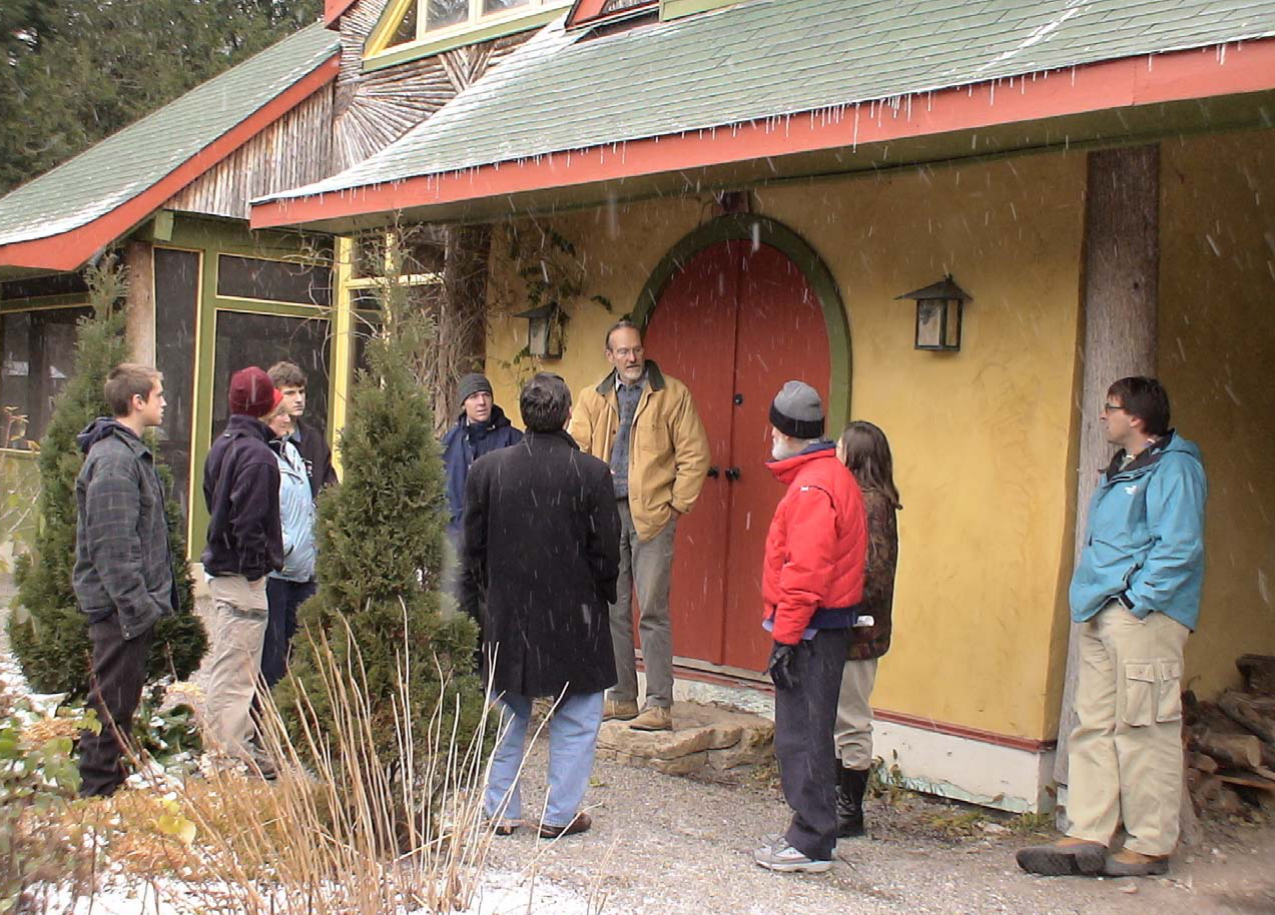
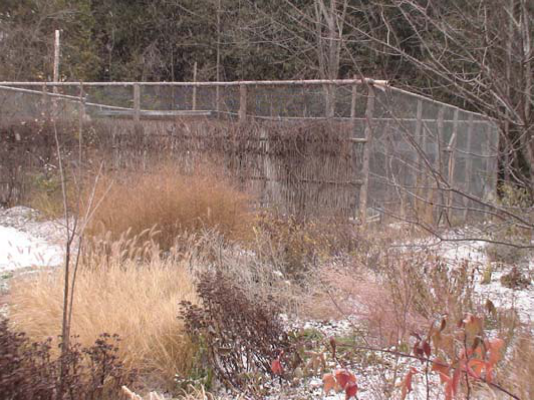
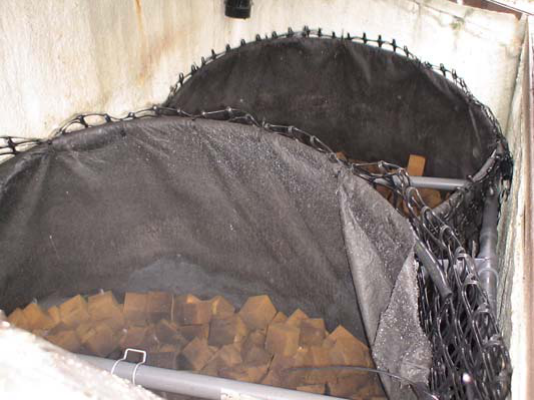
Figure 1 Waterloo Biofilter Sewage Treatment Figure 2 Straw Bale Chicken Coop system of assembling conceptual, material, and strategic components in a pattern which functions to benefit life in all forms. It seeks to provide a sustainable and secure place for living things on this earth. Design principles summary: 1.Work with nature, rather than against it. 2.The problem is the solution.
3.Make the least change for the greatest possible effect. 4.The yield of a system is theoretically unilimited. 5.Everything gardens. Boundary/edge design strategy: the creation of complex boundary conditions is a basic design strategy for creating spatial and temporal niches.
Living by Permaculture
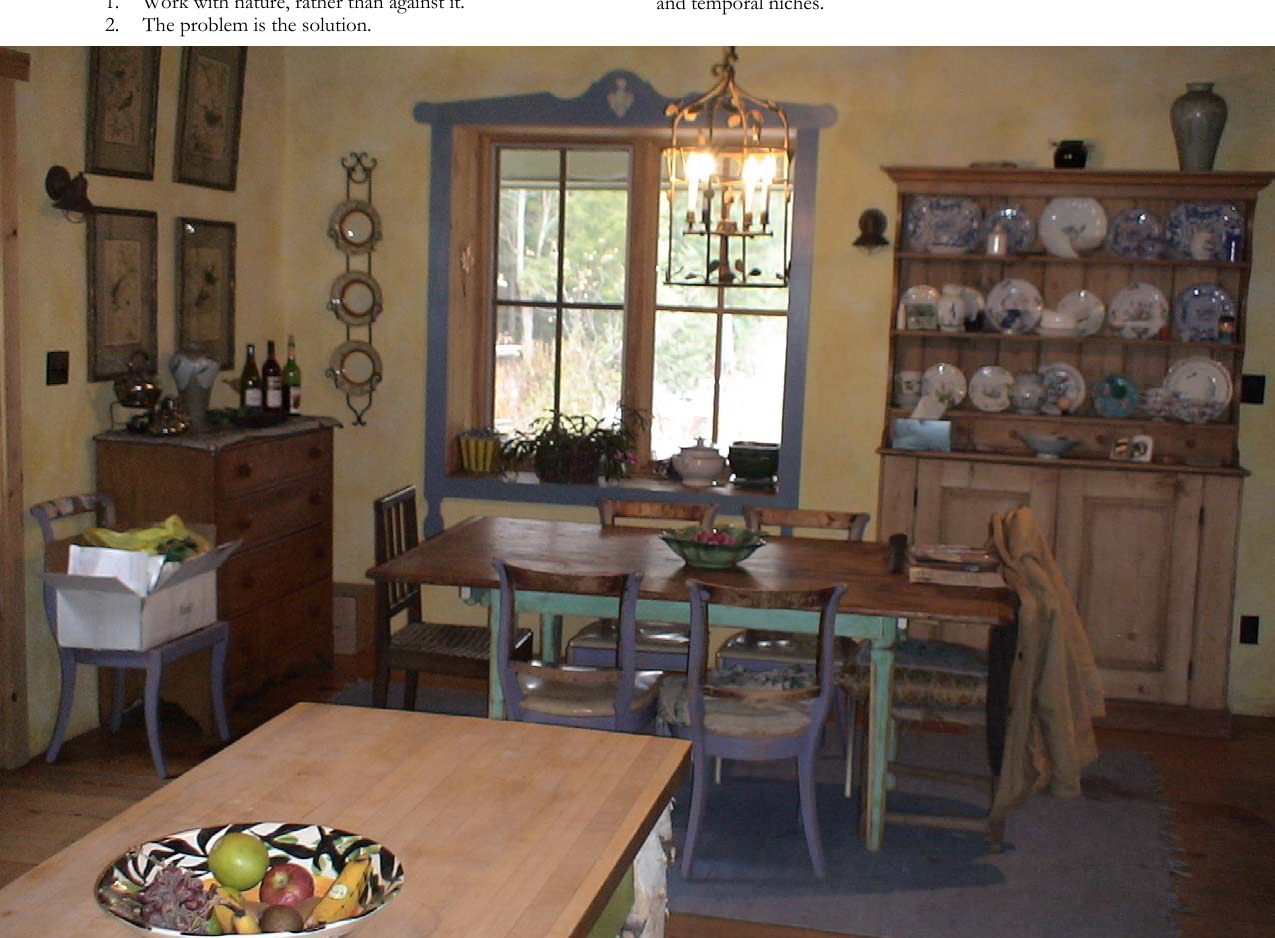
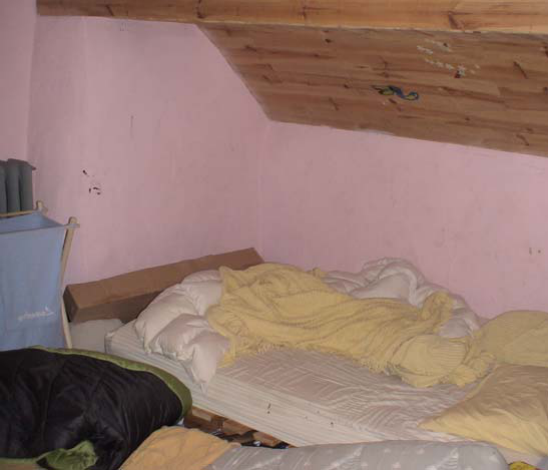
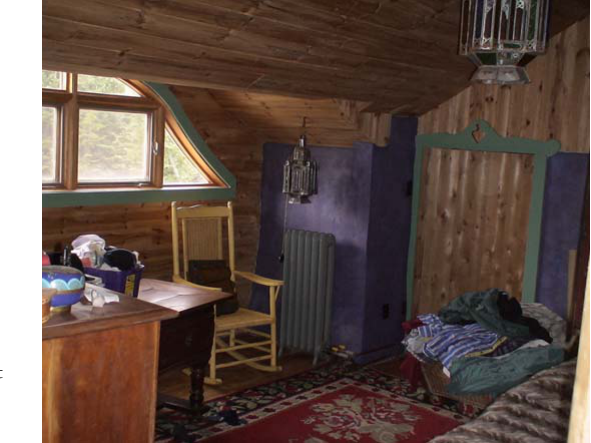
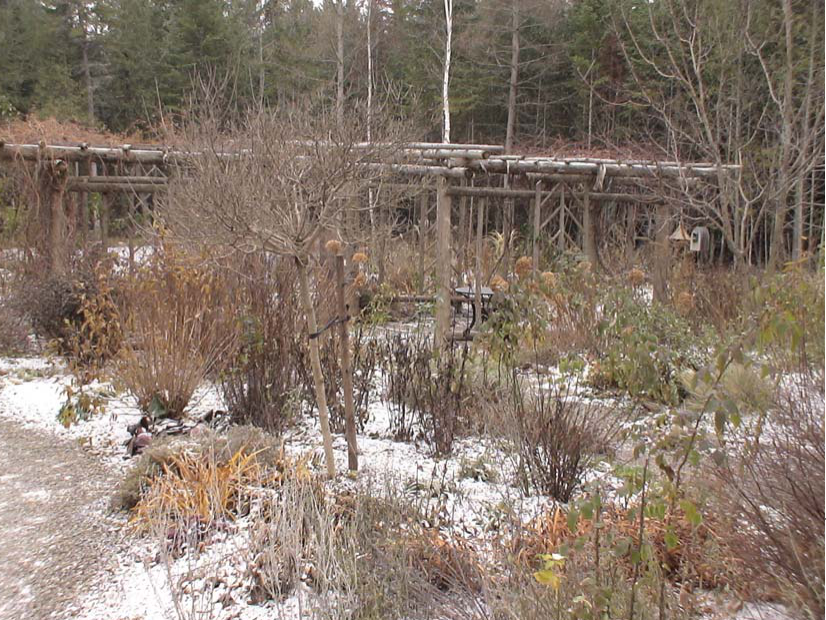
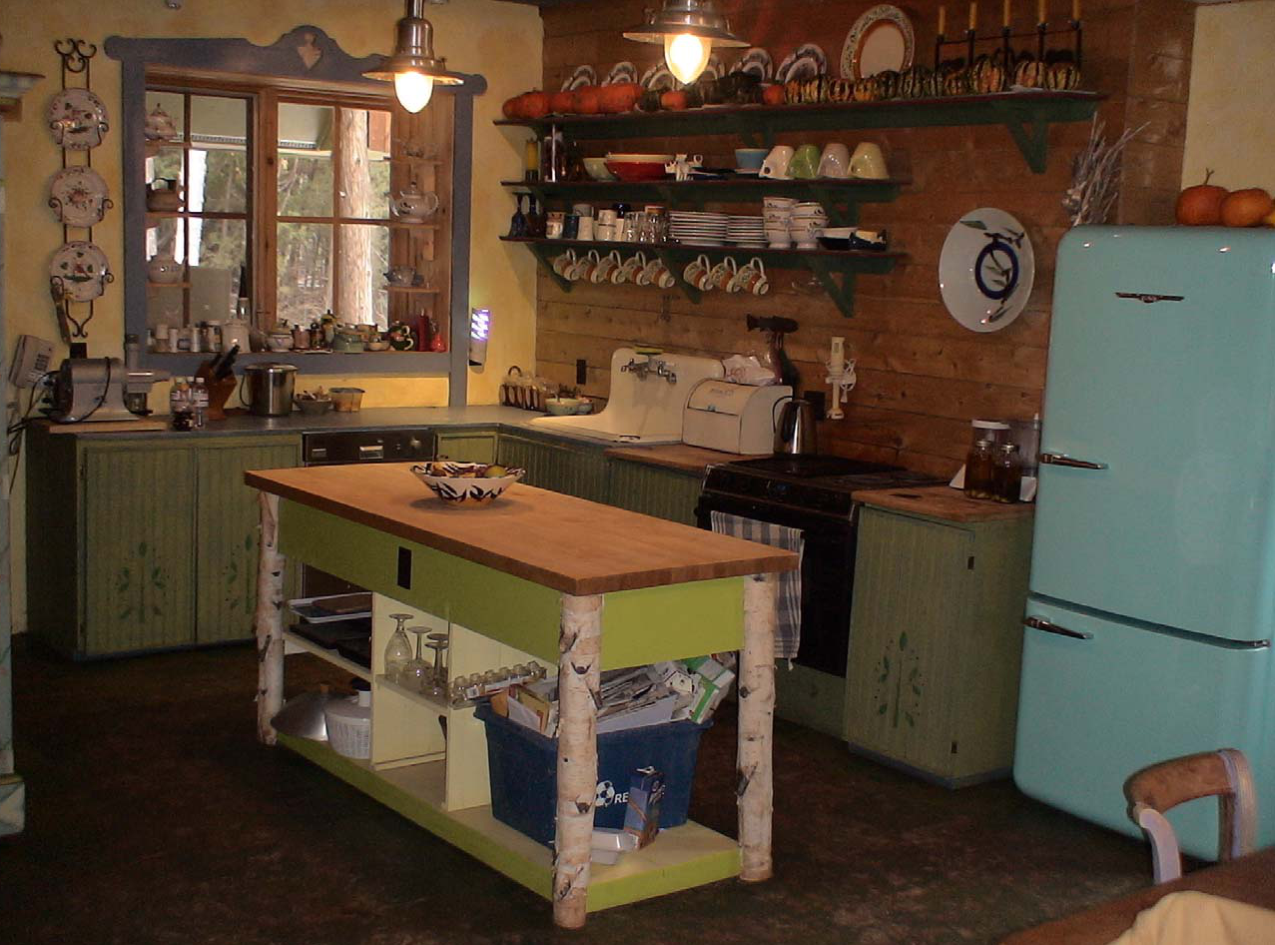
The photographs that accompany this article are a beautiful example of permaculture principles applied. The family who built this home lives extensively by the principles of permaculture. This home was built more than eight years ago. The land surrounding the home and the work carried out by this family reflect an intimate understanding of life as it can exist in harmony with nature. The result is astonishingly comfortable, healthy and sustainable. On the previous page we can see in figure 1 the use of a straw bale chicken coop integrated into the flow of agriculture and living as required by permaculture. Chicken manure makes a great fertilizer while having chickens also serves many other needs within the ecosystem. Figure 2 shows the sewage treatment system which consists of two large barrels full of small sponges. Bacteria within the large surface area of the sponges break down the sewage producing clean effluent that can be returned safely to the environment. This sewage treatment system is called a Waterloo Biofilter. The home is built with straw bales walls on both of the two levels. Building with straw bales isn't usually something that most people feel comfortable with when they first hear about it. In this case more than nine years ago this family was encouraged by the owner of a straw bale building in the United States to take a look around. With some more research and review most people come to see that it is one of the most sensible building materials for areas that have colder climates and an abundance of straw. As our forest resources are depleted there is hope that we will all find the courage and creativity to try this recently revived old building technique. In colder climates it makes sense for straw bale homes to be built with two levels making more efficient use of internal heating. The home featured in this article does just that. In fact the size, shape and position on the property were determined largely by permaculture principles. Of course a sense of beauty and esthetic was also lovingly applied Straw bale allows for many creative design ideas. In the case of this home comfy alcoves for the kids beds were created on the second floor. Building with straw bales means you have the flexibility to do
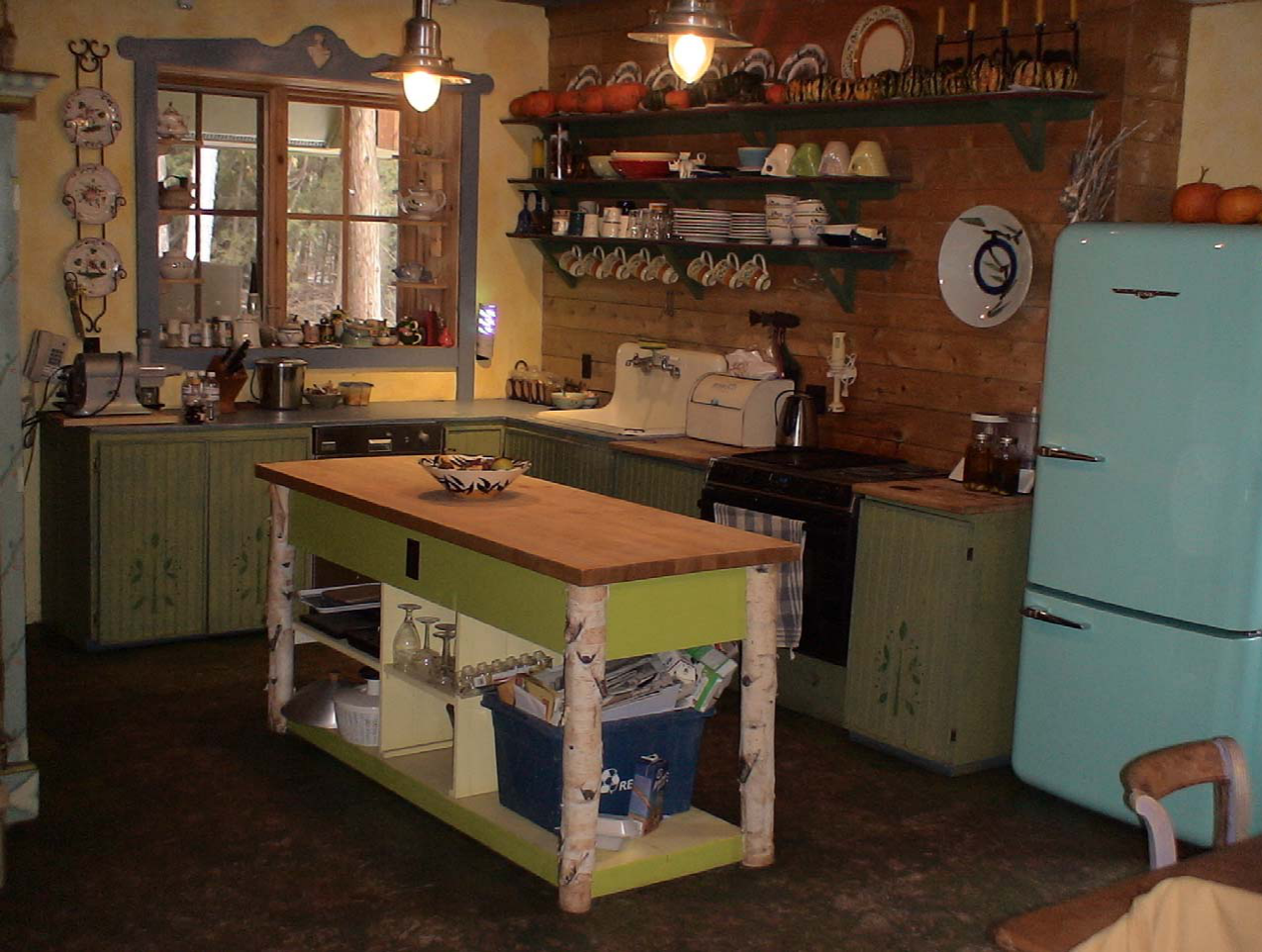
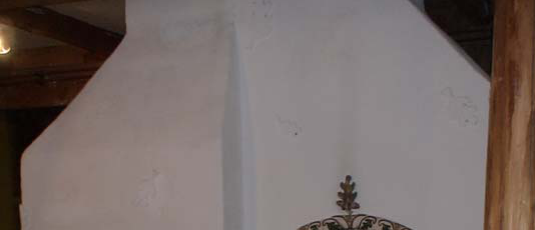
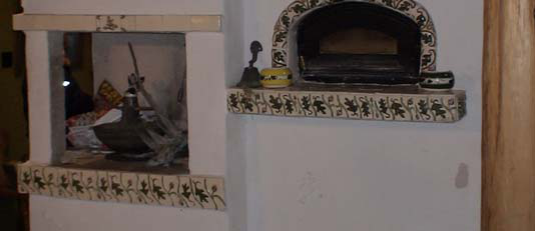
things that wouldn't be considered when using conventional construction techniques. Thick walls also provide wide window sills ideal for sitting spaces and the display of art work. Large windows on the south side provide plenty of sunlight in the winter and are a major passive heating system. Floors on the ground floor are concrete slab on grade with hydronic in-floor heating. A central masonry stove provides long lasting heat. Fall, spring and summer rooms on the west provide screened in working areas for preparing harvested plants. In the winter the doors to these areas are sealed and extra insulation added. Flexing and changing the home with the seasons makes more sense than trying to heat the entire space all year long. The site was prepared to allow for living and working off of the land year round. In order to use natural forest cover as a shield in the winter and for shade in the summer, three sections were carved out of the maturing forest area. Each acts as a light trap in the forest cover allowing light in when required in the winter. With deciduous trees, fences, vines, pergola and many areas of stone edging, the area is in balance with the required levels of sunlight, water and nutrients. Three areas were created each with a special purpose. All are connected by path ways through the forest cover: 1.For the home 2.For the chicken coop, waterloo biofilter and parking area required for this working permaculture farm 3.Greenhouses Recovered wood from trees taken down were used in the construction of the home. A portable saw mill was used to create wood for flooring. Round logs were used for posts in this post and beam home. Round posts have greater strength but are not specifically supported by the building code. This caused some concern for the building inspector but eventually was allowed. Since the home is entirely straw bale with no basement. Basements can be relatively expensive to add to a home. In this particular case there was also a problem with a high water table. Working in concert with nature, rather than against this natural pattern on the site, the natural springs were channeled and dug out to allow ponds to be created and naturally fed year round. A kitchen garden surrounds the house on the south side
around the entranceway. Edible plants are combined with ornamentals. Paths snake their way throughout the garden creating many edges where growth is superior. Composting takes places directly in the garden by layering materials including used newspapers. A pair of old jeans can be broken down in a week using this method. The Waterloo Biofilter system takes the black water through a couple barrels filled with 2 inch by 2 inch foam cubes. The resulting effluent is clean enough to release directly into the soil although eight years ago a small septic bed was required when the system was first introduced. Many years of use has proven that the Waterloo Biofilter system is so effective the effluent is safe to release into the environment. As an integral part of this living/working site, a straw bale chicken coop was constructed on the west end of the property. The chicken manure is a great
fertilizer and used throughout the gardens as a fertilizer. Creating this self sufficient lifestyle has many other benefits. Working out of the home reduces transportation costs and pollution. Reduced travel time means more time with children and in the garden preparing for next years harvest.
Reference Book Title: Permaculture: A Designers Handbook Author: Bill Mollison ISBN: 0-908228-01-5 '
Easy Being Green
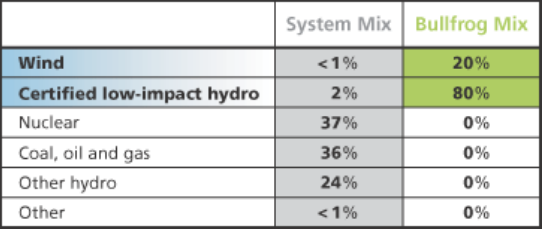
It hasn't usually been easy being green. Frogs have had a tough time over the last hundred years. As an indicator species they've been our canary in the coal mine, declining in many places, and indicating that we are damaging our environment. So what is Bullfrog Power all about? What is the purpose of Bullfrog Power? Our mission is to provide practical energy choices that enable people to create a sustainable world for future generations. At Bullfrog Power, we believe businesses can serve a vital function as community leaders in promoting and fostering responsible environmental action. We are a "double bottom line" company that maintains a dual focus on environmental responsibility and profitability. The company has pledged that 10% of profits will be donated to non-profit organizations that support long-term sustainability. What is Bullfrog Power?
Ontario's first 100% green electricity retailer
Clean, reliable electricity from 100% EcoLogoM-certified energy sources
A new way for Ontarians to support renewable electricity rather than coal and nuclear
A 100% Canadian company dedicated to increasing the supply of renewable electricity in Ontario

Why go green?
An easy way to take real action to help improve our air quality and protect our environment
A meaningful way to invest in a better world for our children, our communities and future generations
A practical way to ensure your electricity dollars are supporting green power production instead of coal and nuclear How does Bullfrog Power work?
You continue to draw your power from Ontario's electricity grid in the same way that you always have
We make sure that the amount of electricity you buy is delivered to Ontario's grid
You don't need any special equipment, setup or wiring
Your electricity supply is just as reliable as ever
Simply sign up and go! www.BullfrogPower.com'
The Solar Village Documentary Video
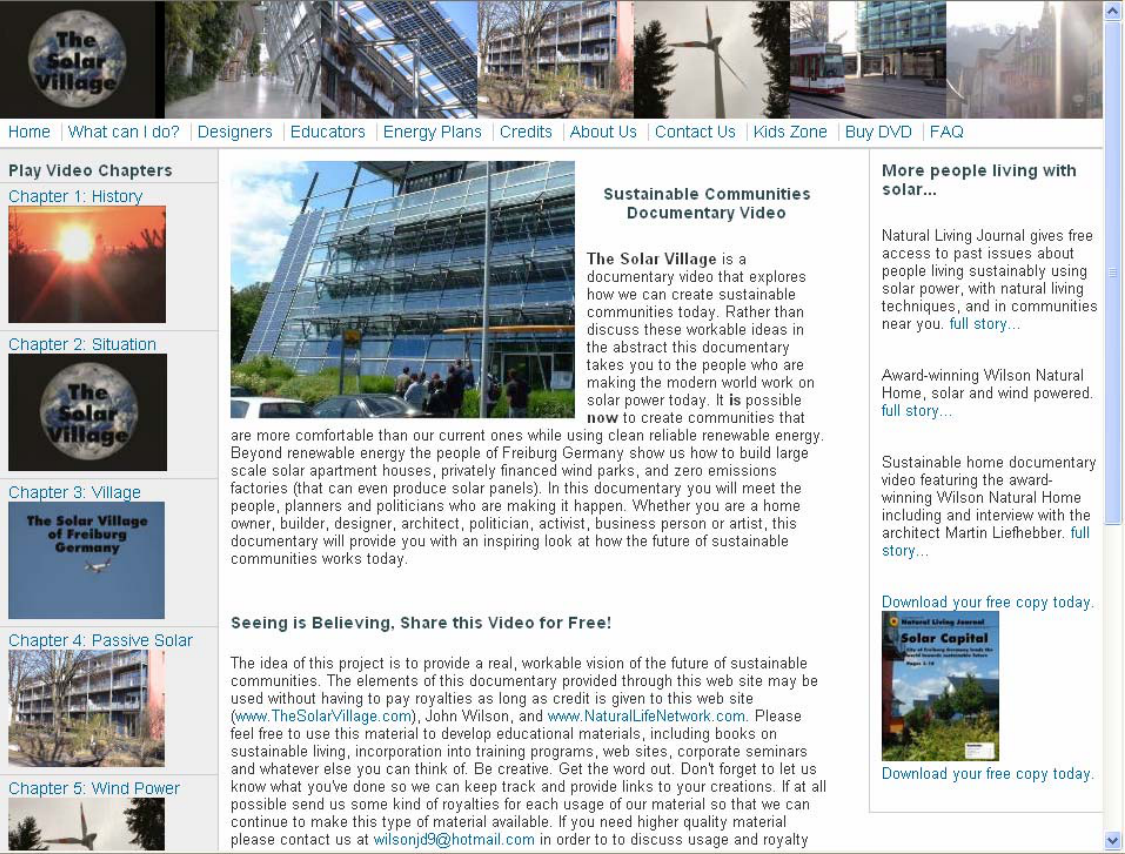
We could be creating solar villages everywhere in the world today. It is possible to power our modern civilization on solar energy. Do you find that hard to believe? If so, then visit Freiburg Germany, the Solar Capital of Europe. In this unique video, now available for free on the web, you will meet some of the people in a working solar village that explain how we all could be doing the same sorts of things. A community powered by solar energy doesn't look much different than any other on the surface. However, in the background you may notice wind turbines in the hills. You will see streetcars built before the houses so that transportation is possible in new communities. Large apartment blocks with more than twenty unit, surrounded by beautiful deciduous trees on the south side, may look normal but also include passive solar (triple glazed windows, with low-e coatings), green roofing, solar thermal water heating, and solar photo voltaic panels that double as a shading structure. Right in the community you will also see how zero emissions factories can produce the appliances, generators, products and goods we'll need to live quite comfortably in our solar villages.
Creating solar powered zero emission factories turns out to be a huge employee and community motivator. Supplying the community with local wind produced electricity allows most of the community to invest in their future with superior returns. Learn how groups of people come together to build homes, apartments, communities, wind turbines and much more in this inspiring look at a working solar village. You'll meet Andreas Delleske, a resident of the twenty unit solar powered passive solar apartment building. He'll explain the benefits of ultra-low flush vacuum toilets, high levels of insulation, and even the benefits of “internal gains”. Also featured are a political leader, city planner and the CE0 of Solar Fabrik. You'll see how, through a combination of scientific research, political leadership and most importantly, grassroots activism have transformed medieval Freiburg into the most inspiring solar village in the world. Now, this wonderful experience is available to all. Tune in to this free documentary video on the internet at www.TheSolarVillage.com . Not only is this detailed look at a working solar village free but the elements of the documentary can be used for educational purposes. Find out more by logging on to the web site and viewing each chapter of this documentary. Tell as many people as you can about the secrets of solar communities so that these ideas can be used in your local community. It has all been done before and now the ideas can be shared and used easily through this new video web site. '
Books About A New World Order
The biggest force slowing the broad based support for the changes required for sustainability are the “corporation” and the governments they control. How did we get to this point in such a brief time and how do we move towards a more equitable and sustainable future? Two books that bring home these important problems and how they can be overcome are The Corporation (also an award-winning documentary), and Alternatives to Economic Globalization. In terms of clarifying the problems and providing workable solutions, these two books provide invaluable information.
The Solar Economy: Renewable Energy for a Sustainable Global Future by Hermann ScheerThe global economy and our way of life are based on the exploitation of fossil fuels, which not only threaten massive environmental and social disruption through global warming but, at present rates of consumption, will run out within decades, causing huge industrial dislocation and economic collapse. Even before then, the conflicts it causes in the Middle East and elsewhere will be frighteningly exacerbated. The alternative exists: renewable energy from renewable sources - above all, solar. Substituting renewable for fossil resources will take a new industrial revolution to avert the worst of the damage and establish a new international order. It can be done, and it can be done in time. The Solar Economy, by one of the world's most effective analysts and advocates, lays out the blueprints, showing how the political, economic and technological challenges can be met using indigenous, renewable and universally available resources, and the enormous opportunities and benefits that will flow from doing so. Quotable “The Solar Economy offers and an alternative program to the Kyoto Protocol. It details the links between energy resources and economic structures that have given rise to the fossil energy economy, and maps the dynamic road towards renewable energy that will lead to a new and sustainable global economy. Fossil resources brought the industrialized countries their prosperity. Yet now that their cost outweighs their benefits, fossil resources may bring those self-same countries to their knees. It is the principal thesis of this book that renewable energy, by contrast, brings greater social benefits the more widely it is used, to the point where it fully replaces all fossil energy. There can be no sound reason for making this revolution of our resource base contingent on obligations agreed under international treaties.” - Hermann Scheer
Alternatives to Economic Globalization: A Better World is Possible Editors John Cavanagh and Jerry ManderAfter years of protest in opposition to corporate globalization, the International Forum on Globalization presents alternatives to corporate domination of the world economy more fully and thoughtfully than has ever been done before. This books includes some of the best of current thinking on alternatives for a sustainable future including:
Ten governing principles for a new social paradigm-one that will lead to truly democratic and sustainable societies that benefit the many rather than the few
Spell out alternatives to the World Bank, the IMF, and the WTO that advance democracy, basic rights, and ecological sustainability
Show how vital goods and services (such as water or genetic material) can be administered for the common good rather than privatized for profit
Offer alternative operating systems for energy, agriculture and food systems, transportation, and manufacturing
Provide examples of successful alternative policies and systems already in use by communities around the world today Written by a premier group of 21 thinkers from around the world, the second edition of Alternatives to Economic Globalization lays out democratic, ecologically sound, socially just alternatives to corporate globalization more fully, specifically, and thoughtfully than has ever been done before. Focusing on constructive, achievable goals, the authors present ten governing principles for establishing truly sustainable societies and describe alternatives to the World Bank, the IMF, and the WTO that would better serve the needs of the planet. They offer detailed proposals for protecting vital goods and services from corporate exploitation, limiting corporate privileges and power, rebuilding economies to make them more responsive to human needs, and more. The definitive document of the anti-corporate globalization movement - the consensus report of an alliance of leading activists, scholars, economists, researchers, and writers. This book offers a constructive, coherent, positive alternative to globalization-the very thing that the anti-corporate globalization movement is always accused of not putting forward. The International Forum on Globalization consists of the leaders of over 60 organizations in 25 countries - including such prominent organizations as Friends of the Earth, the Third World Network, the Sierra Club, the Institute for Policy Studies, Public Citizen, Rainforest Action Network, and Food First. Quotable “Globalization is not inevitable. Fortunately, there are alternatives and presenting them is the achievement of this book. Read it and be motivated: A better world IS possible.” - Dennis J. Kucinich, United States Congressman '
Books About Power
Two books that I've read recently have brought home to me how important dealing with our sustainable energy problems will continue to be. In fact, the more I think about it the more that I see how much ideas like population controls, conservation, efficiency, organic farming, permaculture, urban transit systems, and solar power, are so critical to evolving our society. As the oil runs out, and as these books so ably demonstrate, it may be sooner that we expect. It will be to these ideas of sustainability, of Natural Living, that we will be forced to survive. As our ecological footprint shows oil has allowed us to exceed the sustainable capabilities of natural systems. With growing population levels we have already exceed what may be sustainable without oil. If we have any chance of surviving the next fifty to one hundred years it will be because we address these issues. Coming to terms with their reality is critical. So read these books and start taking action today.
War. Big Oil, and the Fight for the Planet: It's the Crude, Dude by Linda McQuaigWho stands to gain or lose the most from climate change? The oil companies, the largest industry on the planet. When you add up all the subsidies provided ANNUALLY to oil and nuclear energy, you can clearly see how big a lie it is to say that renewable energy systems aren't economical. Subsidies to oil and nuclear including the car and airline industry, amounts to significantly more than $200 billion per year…and growing especially if you include the wars fought to protect these resources. Let us say then that the subsidies to these industries reaches about $1 trillion over the last ten years, contributing massively, if not exclusively to climate change. Now, take away this $1 trillion in subsidies from the oil, nuclear, and transportation industries. Give the $1 trillion in subsidies to the conservation, efficiency, and sustainable renewable energy sector over the next ten years. Suddenly oil and nuclear look uneconomic, and the alternatives make perfect sense. Quotable “we've used up the earth's oil so rapidly and recklessly that we have not only jeopardized the viability of the planet (part one of the energy dilemma), but we have at the same time squandered much of this incredibly valuable on-time inheritance. This may sound like a contradiction. If oil is so bad for the earth's ecosystem, maybe we shouldn't care that it's running out. The problem is that we've built the modern world around it, relying on oil for transportation, industry, agriculture and just about every other thing we do, eat, wear, type, watch and move around in.” - pg. 29, War, Big Oil and the Fight for the Planet: It's the Crude, Dude. “…annual subsidies to the industry amounted to $14 billion in the U.S., $5.9 billion in Canada and a total of $59 billion in all the industrialized nations that make up the OECD.” “nuclear industry, received $12 billion in annual subsidies in OECD countries.” “The fossil fuel industry is also aided greatly by massive subsidies to the car and airline sectors …plus $135 billion a year in the U.S.-on the construction and maintenance of roads.” - pg 299, War, Big Oil and the Fight for the Planet: It's the Crude, Dude.
Power Down: Options and Actions for a Post-Carbon World by Richard HeinbergRather than retaining any level of false optimism this book and the author take deadly aim at the priority issues we face and their terrible consequences. Powerdown provides a visionary response to the coming energy famine, a clarion call to cooperative solutions based on the conviction that realism must trump self-delusion in matters of cultural survival. Ultimately there is hope if we are willing to look truth in the eye. If we have the strength to admit our problems we will find the solutions. Quotable “Most of the wars of the twentieth century were fought over resources - in many cases, oil.” Pg 21. “The elites - corporate owners and managers, government officials, and military commanders - are people who have been selected for certain qualities: loyalty to the system, competitiveness, and hunger for power. Often they are literally bred for their roles. Like George W. Bush, they are people born to wealth and power, and raised to assume that privilege is their birthright. These are people who identify with the system and the status quo; they are constitutionally incapable of questioning assumptions. Moreover, the elites are guided day-to-day by a set of incentives that are built into the system itself. Managers who pursue immediate gain get ahead, while those who make short-term sacrifices in order to preserve long-term stability are often at a disadvantage. Likewise, managers are rewarded who keep up appearances, who generate good news, and who exude confidence. Confessing errors accrues no benefit; instead, managers are encouraged to deny short-comings and to blame competitors and subordinates.” Pg. 168.'
Reading
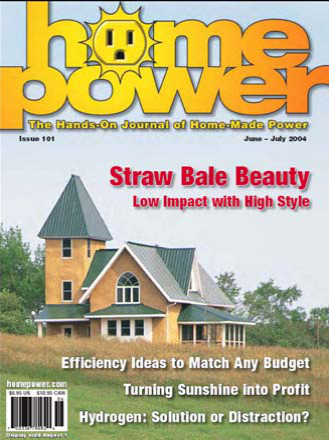
Home Power For anyone who wants to get into the details of living with renewable energy this is the magazine for you. Each month this hands-on journal has off-the-grid and on-the-grid home owners tell their story in an easy to understand format. If you are interested in the technical details and comparing systems then this is the ultimate source of information. You can download a free copy off their web site each month in PDF format. Web Site: www.homepower.com
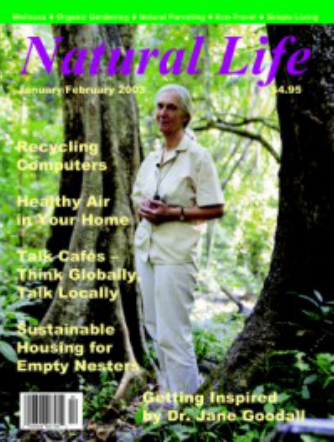
Natural Life This simple magazine covers a wide range of sustainable living topics. For ideas that we can all start using today this is the place to start. Each issue reaches far and wide for interesting stories with lots of ideas for living a more natural life style. Web Site: www.naturallifemagazine.com
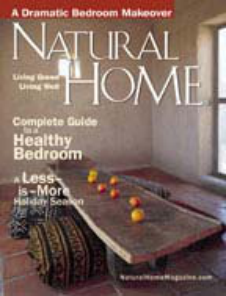
Natural Home Each month this magazine features new and renovated homes that are seriously sustainable. Like other popular home and design magazines, you also get coverage of life issues, food, travel and other related topics, all with a “green” twist of course. Other departments include Good to Know, Green Events, New & Noteworthy, Try This, Nuts and Bolts, and Earth Mover Awards. If you want to be inspired by high-end homes with tons of creativity, and features like solar panels, this is a great magazine. Web Site: www.naturalhomemagazine.com
Dwell: At Home in the Modern World Small Change is what it takes over a period of time to make the big changes. Dwell magazine may just be about affecting big change in the mainstream. This slick magazine has a real ecological design supported focus while also insisting on homes that look good. “…Dwell has become proactive in its mission. The magazine isn't just writing about and showing photographs of the design of houses, she suggested, but is actually influencing the ways in which they are designed and built.” The current issue takes aim at ideas such as smaller homes, prefab alternatives, and Dwell Home II, a sustainable house to be built in LA. Check out the amazing four-page pullout spread. The winning home includes passive solar, solar panels, and a green roof. Web Site: www.dwellmag.com'
Join Us
Become a part of a community of people around the world dedicated to living in harmony with nature. We've created this network so that we can all share our ideas, experiences and knowledge. The changes we envision are revolutionary; however our goals are to make them the norm. The organization is about the practical, inspiring and real application of living gently on the earth so that our children may enjoy a clean, healthy and productive environment. The simple point is that we all can "do" much more - and that means all of us or it won't work. For example: Choose or create a home/community that is powered by the sun; Grow and eat organic food; If you must travel select the most efficient means, walk, bicycle, tele-commute, travel by train, bus, ultra-efficient car, or fly; If and when possible, work in nature - grow your own organic food, restore nature around you, put your investments to work for natural living. What will amaze you that everything we need to live this way exists. The cost over the longer term is less. The results are a happier more healthy self and family. Start learning how today. Member benefits:
Monthly Natural Living Journal full electronic edition.
E-Mail Question & Answer (3 per year, no more than 1 per month.)
Directory listing (optional) and Natural Directory.
Discounts on some products and services offered by Natural Life Network. Sign-up for membership at: www.NaturalLifeNetwork.com'
Next Issue…
Solar Village wish list… For weekly updates, special offers, and additional products and services visit our web site: www.NaturalLifeNetwork.comHave a question? Ask us and we'll try and include a response in our next issue of the Natural Living Journal. Have an interesting story to tell that relates to natural living? Contact us any time with your questions, concerns or ideas at: john.wilson@naturallifenetwork.com'
Order the Journal now! www.NaturalLifeNetwork.com