May 2004 — EcoTourism: Solar Powered Wilsons Beach House
Publisher's Message
Get Real There is a real feeling here at Natural Life Network that positive change is coming. I t feels like this may be the "third wave" of renewable energy. The first, of our modern era, was in the seventies during the start of the environmental movement. Stories abound of activists, hippies, and alternative communities which took to the hills and started using alternative renewable technologies. A second wave was felt briefly in the Jimmy Carter era as the United States White House was fitted with solar technologies and incentive programs supported solar. The oil crisis faded and eventually the solar system was taken down from the roof the White House. Now we must ask what will take to make renewables main stream. The cost of wind power is now on par with main stream fossil/nuclear. This despite the trillions of dollars of subsidies built into fossil/nuclear. The use of solar water heating has been main stream in many areas of the world for decades now and is slowly beginning to penetrate North American markets.
Electricity rates are on the rise. Nuclear power plants have proven themselves unreliable, overly complex, difficult to maintain, and incredibly expensive to run. Fossil fuel based electricity generation continues to inflict massive amounts of pollution on our environment. Wars are being fought in order to protect the fifty odd years of remaining oil reserves that are easily accessible in Asia and the Middle East. Adding the cleanup costs associated with nuclear/pollution/global warming plus the billions being spent to defend oil reserves puts the cost of nuclear/fossil sources outrageously higher than solar/wind sources such as efficiency, passive solar, solar hot water heating, wind power, photo voltaic solar and other renewable energy systems.
Certainly for many of us seeing is believing. That is one reason that EcoTourism that puts these technologies to full use is so important. If you've wondered what the real benefits and implications of solar power are, then why not visit a solar powered hotel for a vacation to find out.
In this issue we meet the folks, my folks, at Wilsons Beach House, w ho have been using solar for many years now. Interviewing my Dad for this article reminded me that there is a constant ebb and flow to this process of changing to a sustainable society. It is hard to compete with all of the other priorities in life. Sustainability for many of us is a simple matter of financial survival. Until we all have a basic sense of security regarding our financial future it becomes essentially irrelevant to think of environmental sustainability. This perspective scales with the general "wealth" of the society within which we live. Despite the supposed "wealth" in North America, the sense of security regarding financial survival for many is frequently uncertain. This condition puts sustainable practices squarely in the secondary category for the majority.
There is hope. As organic farming returns higher profits and improved soil conditions at a lower cost. As developing countries are able skip the expensive infrastructure of the fossil fuel / nuclear age and go directly to distributed renewable systems; the signs of change are, as always, just around the corner.
John Wilson, Founder of the Natural Life Network
Natural Living Journal John D. Wilson - Editor Natural Living Journal Published by World Peace Communications Copyright ã 2004 John D. Wilson Our Web Site: www.NaturalLivingNetwork.comE-Mail: john.wilson@naturallifenetwork.comPhone: (519) 942 -3266 ADVERTISING SALES: Leigh Geraghty, Advertising Representative, (519) 942 -3266, leigh.geraghty@sympatico.caCONTRIBUTE: We are always looking for new, interesting and inspiring stories, pictures, and poetry, about people who are achieving a natural lifestyle. If you would like to contribute an article or story then please send us a note with your idea. Contact John Wilson by email at john.wilson@naturallifenetwork.comAll contents of this issue of Natural Living Journal are copyrighted by John Wilson, World Peace Communications, 2004. All rights reserved. Printed in Canada.
Join us!
NAME
ADDRESS
CITY/STATE/PROVINCEZIP/ POSTAL CODECOUNTRY
PHONE
YES! Sign me up for Natural Living Journal. Orders must be prepaid. Here is my check/money order in U.S funds (Canadian orders in Canadian funds). Subscriptions/ membership includes shipping, handling and applicable taxes. $29 - Individual - 1-year subscription and membership, paperless Internet delivery, requires email (12 issues) $59 - Business - 1-year subscription and membership, paperless internet delivery, requires email, and business directory listing with logo (12 issues) Membership includes answers to three questions (no more than one per month) through email for a year. To order online by credit card go to www.NaturalLifeNetwork.com. Send all subscriptions and renewals to payable to World Peace Communications. Mail to:
World Peace Communications
248108 5th Side Rd., RR# 5 Orangeville, ON L9W 2Z2, Canada
EcoTourism: Wilsons Beach House
This must be paradise. Here at Wilsons Beach House the sun always shines. Where there is a Wilson there is a way!
The summer of 1991 found the Wilson family north of Toronto at a rented cottage. Despite typically hot and humid summers in cottage country, frost warnings were the weather warnings this particular week. At the end of June. Ian Wilson told his family it was time to go somewhere warm. Son Dan Wilson had mentioned a place called Cabarete in Dominican Republic that was a beautiful place, with wonderful beaches, and hotels that offered reasonable rates. Dan recommended that his parents, Lynn and Ian Wilson check it out as it might be the place where they could find their dream of a beach house in the tropics. Exploring the north coast of Dominican Republic Lynn and Ian found the tropical paradise they had been dreaming of. Walking the beach west of Cabarete they rounded the point to find hundreds of wind surfing fanatics flying across the water. This "honky tonk" little town was hopping with Europeans, Americans and Canadians who loved the sport of wind surfing in one of the best locations on earth. As Lynn decided that the local restaurant was far enough to have walked that day, Ian decided that perhaps just around the next bend would be something.
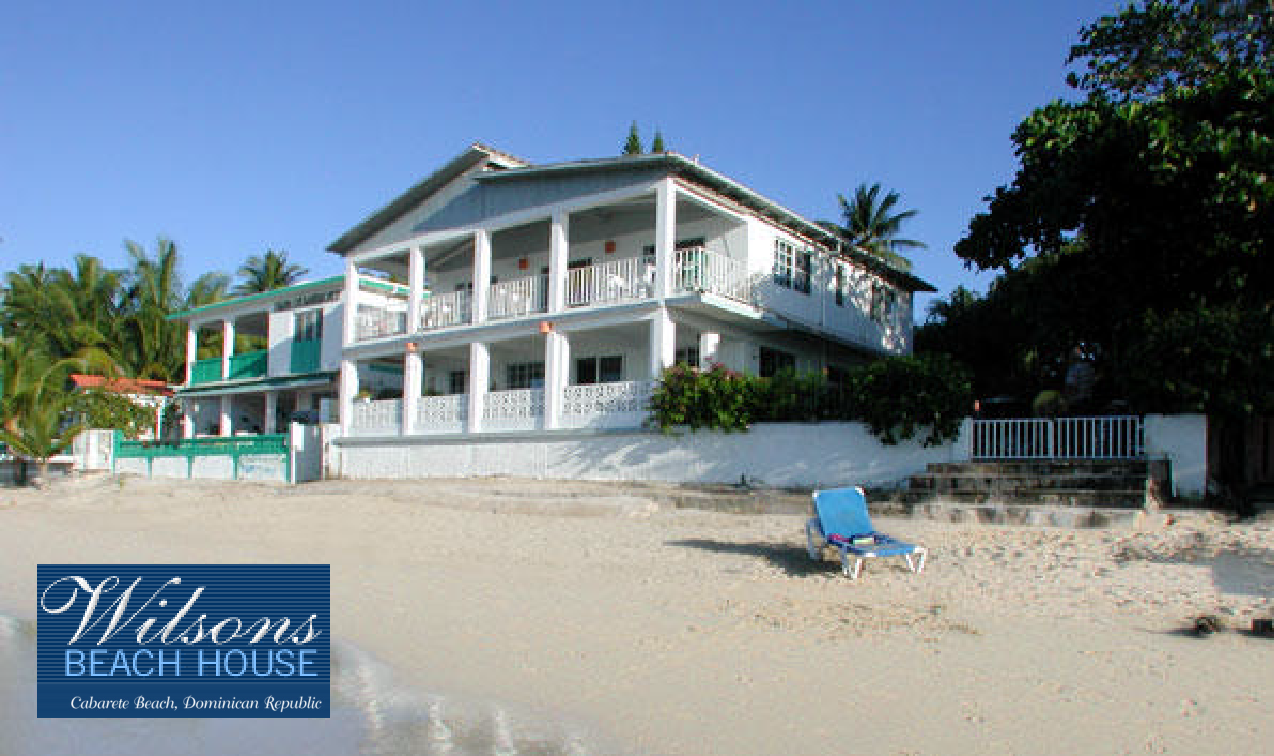
Yes. At the far end of the beach was a big, blue, red and white house sticking out prominently, right on the edge of the beach (see the picture below). There it was. The perfect spot. A run down house with an old "For Sale" sign on it.
Over the next four years the Wilsons spent summers and vacations renovating while working in Abu Dhabi. Ian is a professional engineer. Lynn is a teacher specializing in English as a Second Language. Together they reshaped, redesigned and reinvigorated what was at first an eye sore with no views on the
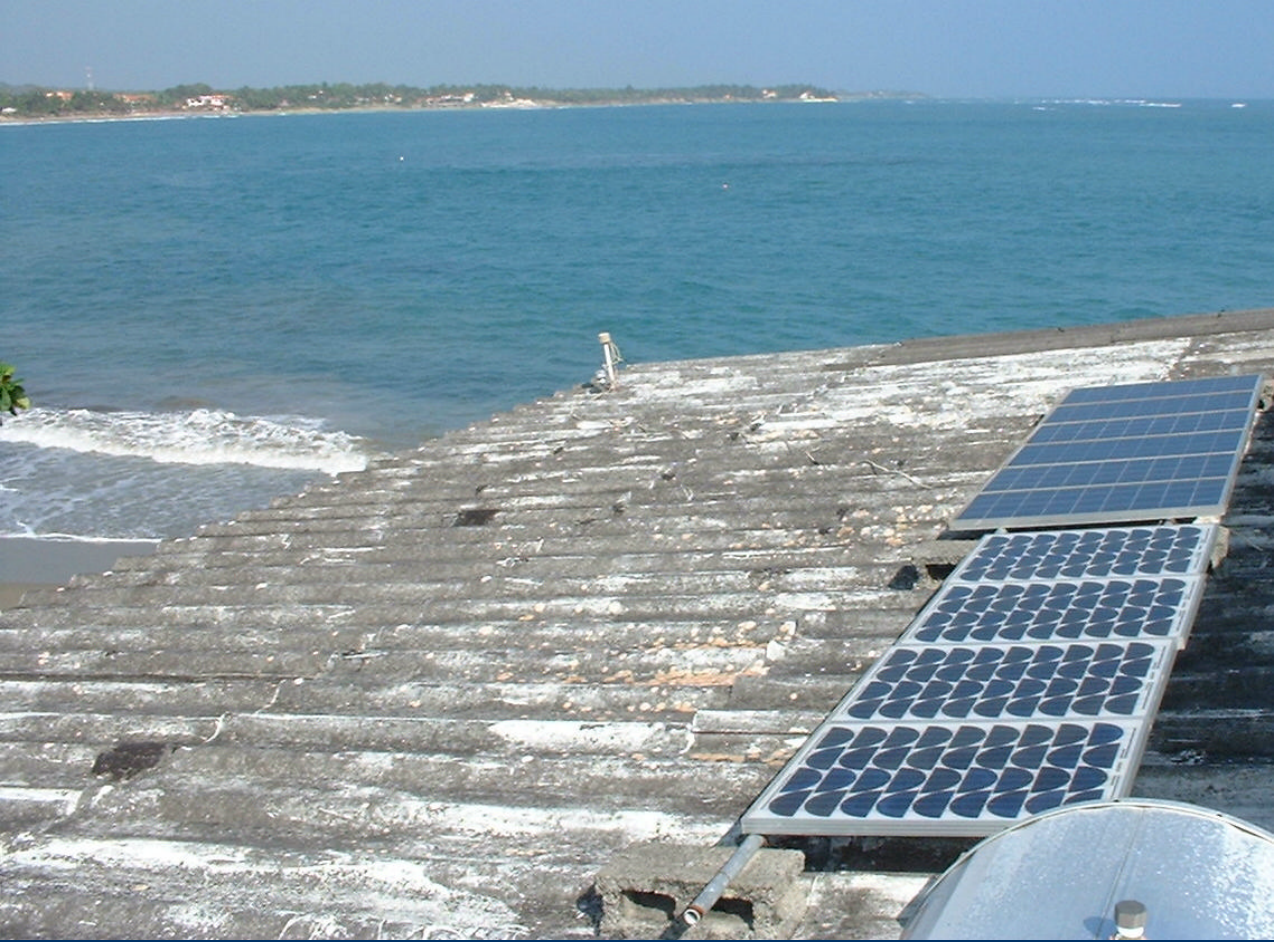
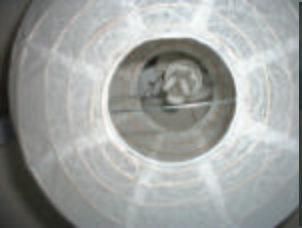
Photo voltaic solar panels constantly collect the suns energy and convert it into electricity. The combination of new and old panels has worked flawlessly for many years. These panels are not visible from the beach so that few people walking by even know that this beautiful beach house has solar power. If you are interested, however, be sure to ask Ian for a tour of the utility room and a peek through the vent in the roof for this view .
beach side of the house.
Ian Wilson, now a prominent member of the Cabarete community, got a set of four photo voltaic solar panels, from a Canadian who had used them for several years in about 1998. Then in 1999 the family brought down four more panels in large suitcases. These solar panels have worked essentially flawlessly since then. The mixed set of panels generate approximately 560 watt hours combined. This is enough power to keep the house operating without electricity from the grid for about twenty four hours. Of course a large bank of batteries is used to store the electrical energy generated during the day. As well, the batteries can be charged up using the electrical grid when available.
The electricity situation is erratic in Dominican Republic. The power may be shut down for extended periods of time. Wilson thought the reliability of the countriy's electrical utilities would improve but it has continued to be unpredictable up to the present.
The result of the investment in this system starting almost six years ago is the ability to supply seven bedrooms, two living areas, and two kitchens and with one electrical fridge and fans in most rooms with enough power. This despite the fact that the grid utilitiy power is typically down from late morning until the evening every day. Power outages are typical at night as well. With the solar system Wilsons Beach House maintains lights, fans and fridges without any interruption during these frequent blackouts. Other hotels often can be seen along the beach with their lights flickering off as the power fails, and then slowly coming back as their noisy diesel generators blast into action.
The system has only failed once because the batteries were not maintained properly. The key to maintenance is cleaning the batteries using WD40 and having good wire connections. The beach house has always had power despite frequent outages.
The Wilsons have a small diesel generator as a backup which they don't like to use due to noise and air pollution. But from time to time they turn it on and it does c harge the batteries when power is out for especially extended periods of time. Dull weather would be another reason they sometimes charge things up with the generator.
The original system of 6 panels (2 died), with inverter, and batteries cost about US$4,000. Four additional panels were purchased for about US $1,000. Replacement of batteries over the years has cost about US$1,000.The original hot water heaters only worked with city power that was out so often they didn't have hot water when it was needed. Now, with the MegaSun solar water heater, they and their guests have hot water pretty much whenever it is needed. If they get a few cloudy days, the showers and warm water instead of hot. The system has a glycol type fluid that is heated and in turn heats water in the tank. This avoids direct heating of the water that can have problems since water at times has sediment that could clog the system. The solar hot water heating system was about US$4,000. It was installed by a local plumber without any special skills related to solar systems. The MegaSun systems are made by a Greek company and sold through a local distributor in the Dominican Republic. The system has worked flawlessly for the past three years.
All the solar panels systems are essentially maintenance free. Cleaning the surface might be a good idea. The rain seems to keep things pretty clean.
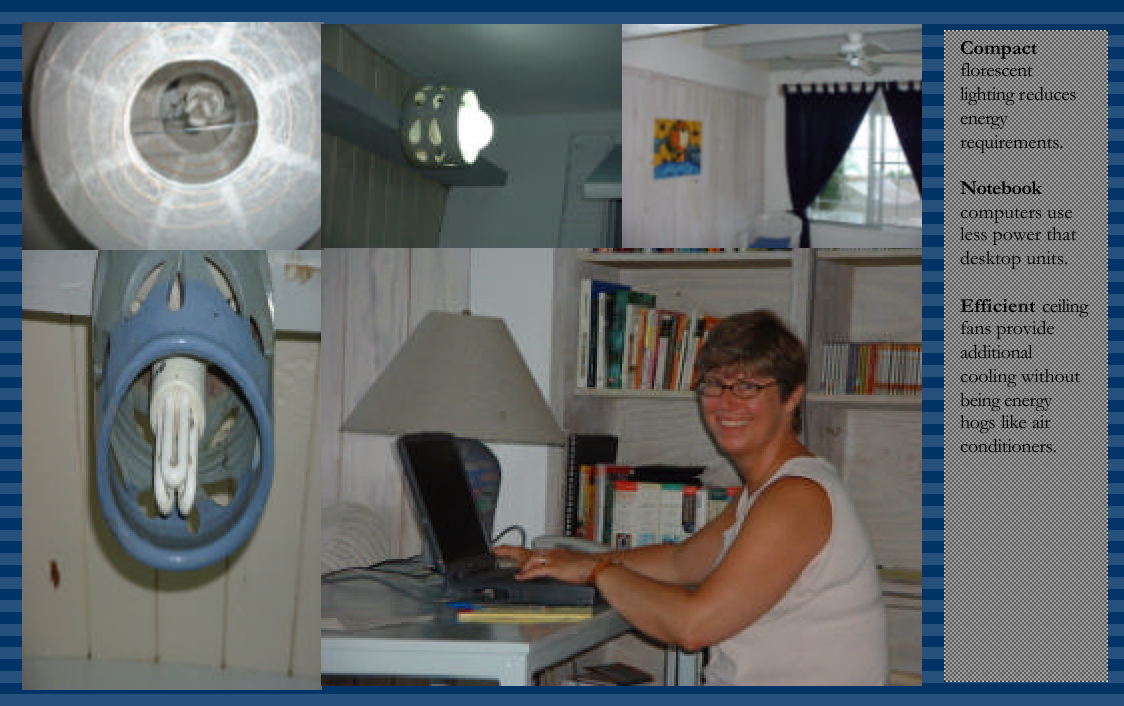
Inside the beach house all the lights are compact florescent to reduce power consumption. Of course the Wilsons are careful to make sure that lights are not left on especially when the electricity grid has failed and the house is operating on solar/battery power only.
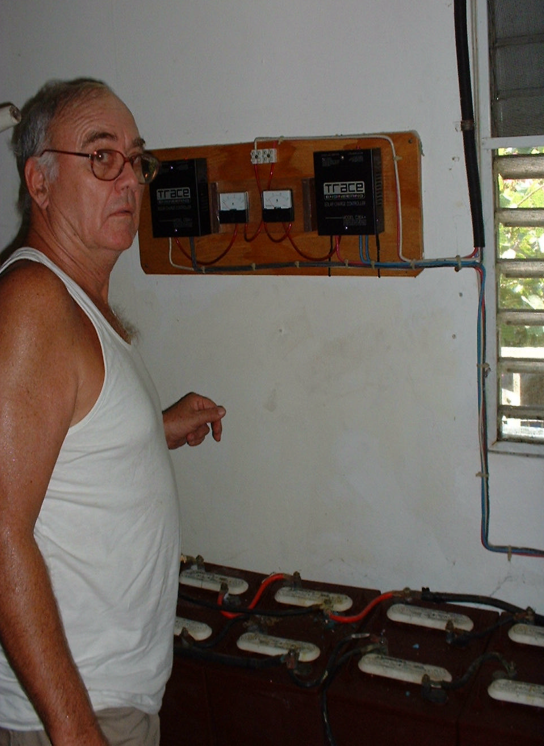
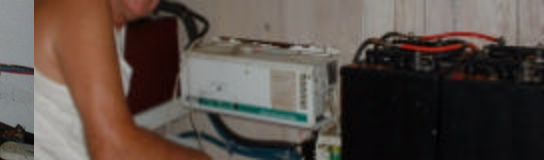
Ian Wilson shows us the Trace inverter monitoring systems and batteries in the utility room. The inverter converts DC current generated by the photo voltaic solar panels into AC current that can be used by appliances in the beach house. T he batteries store electrical energy so that it may be used for extended periods when the electrical grid fails. The simplicity of the system is critical to the reliable operation over the past six years. Each of the systems installed, both the active solar (photo voltaic/inverter/battery) system and the solar water heating system were installed and have had essentially no maintenance since then.
Some other things the Wilsons have learned over the years. They save vegetable waste so that their friend Gaby can use it in her garden. This r educes their garbage which you have to pay for pickup in the Dominican Republic. They don't have a car since they can walk to everything. Life is simple. No need for a car. Sports are wind powered as in wind surfing and kite boarding. No motor boats or jet skis are allowed in the bay except for the local fishermen who bring in fresh fish every day.
Getting started with solar power is quite an initial investment and requires some additional investment in time but it is worth it according to the Wilsons. It is a nice feeling to have power supply in your own control especially in countries like this where it is essential for keeping food from going bad and keeping guests happy.
The strict restrictions on types of electrical devices that may be used can become a problem when guests who are not used to this level of strict energy conservation start using a blender or hair dryer for instance. It is a great learning lesson for those of us so unaware of all the energy we waste.
The town of Cabarete provides plenty of low impact activities for the energetic EcoTraveler. Of course the wind surfing and kite boarding can't be beat. Check out one of several great wind surfing shops right on the beach, such as Vela, Bic or Mistral for some great deals on wind powered sports .
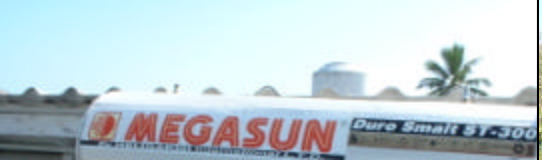
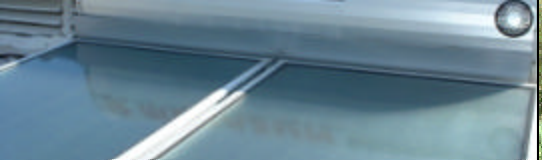
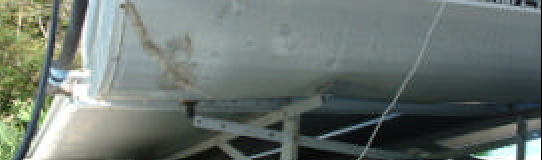
Solar water heating is a standard feature of homes all over Greece, Cyprus and much of the Middle East. These systems have been used for decades to reliably provide warm water for showers and other domestic hot water heating. Of course in colder or milder climates the suns ability to heat the water is less, limiting their effectiveness. In climates where the temperatures go below zero degrees Celsius there are requirements for ensuring that the liquid in the solar collector panels do not freeze with chemicals like Glycol. As Wilson says, even in the tropics providing a closed loop system that doesn't use pure water that may have sediments improves the reliability of these systems. The tank above the solar water heating panels stores the heated water for use in the beach house. The systems simple proven design has provided the Wilsons and their guests with all the hot water they need and then some all without burning any fossil fuels or adding to the electricity load that is limited by the solar electrical power systems.
Other attractions include Iguana Mama, an award-winning provider of natural and ecotourism related adventures. These
include mountain biking , inner tubing down rivers, horse riding, and whale watching. -
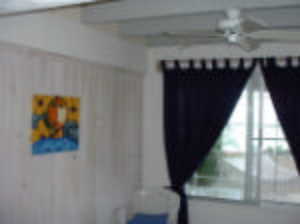
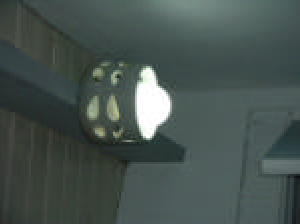
Compact florescent lighting reduces energy requirements. Notebook computers use less power that desktop units. Efficient ceiling fans provide additional cooling without being energy hogs like air conditioners.
EcoTourism: Ten Tips for Travelers
1. Try walking or biking tours. Taking your time to see and feel the local environment will enhance any travel experience. By taking your time you will also be able to slow down enough to meet a more local people that may be able to tell you about important sites to see. 2. Get into wind sports like wind surfing, kite boarding, hiking, canoe trips, sailing, rowing, swimming and so many more activities that are healthy for you and minimize our impact on the natural world.
3. Seek out hotels and restaurants that clearly support sustainability. Look for organic foods, local fresh foods and natural ingredients.
4. Look for adventure travel organization that promote bicycle trips, support local people and have strict guidelines related to recycling, energy conservation and fair trade.
5. Get in touch with nature. Plan a camping trip that includes hiking and canoeing. Take along food that has minimal packaging or use containers that are reusable. Leave the natural places you visit as you find them.
6. Stay where you are! Get to know your local region. Take a hike through your local conservation areas. Get on that bike you so seldom use, pack a lunch and explore. Get to know your local ecology. Ask yourself why things are the way they are? Ask local residents or farmers how things have changed over the years.
7. Think about using an extended vacation to start the process of a career change. Find out about educational programs in organic farming, permaculture, straw bale construction, sustainable living and holistic lifestyle options.
8. Check out the web sites and options available to you in the next section EcoTourism: Sites to See.
9. The next time you travel to California and require a car rental try out a hybrid or electric car. The Toyota Prius and Honda Civic / Insight all of the conveniences of a conventional car including range and speed. However, you will save on gas and be able to decided which hybrid you'll want when you require a new car.
10. Attend one of the many sustainable living shows, festivals or trade fairs in your area. -
EcoTourism: Sites To See
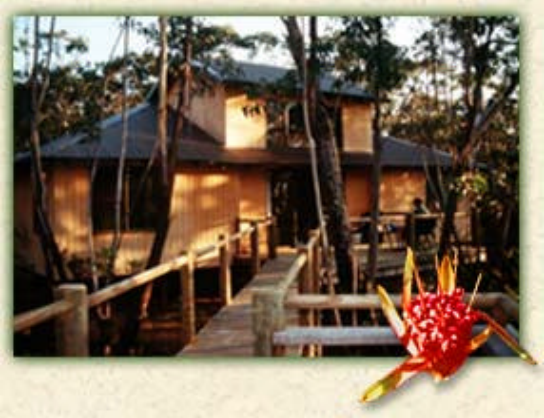
Solar Living Center , Hopland, California, USA, www.solarliving.org/Description: This retail outlet for solar living enthusiasts offers a great way to learn about straw bale for retail development (the retail space is one of the largest, and most comfortable, straw bale structures we've ever visited). Walking tours provide information on large scale solar photo voltaic deployments, natural cooling and natural lighting. Kortright Centre, Toronto, Ontario, Canada, http://www.trca.on.ca/parks_and_attractions/places_to_visit/kortright_centre/Description: This park includes a demonstration facility that explains solar energy, efficiency and wind power systems on a walking tour. Other attractions include a Living Machine for sewage waste processing. Tortuga Lodge, Costa Rica, http://www.jetsettersmagazine.com/archive/jetezine/cabinweb/tortuga/tortuga.htmlDescription: This hotel in the jungle features many ways to get in tune with nature. The hotel also uses solar panels and many efficiency measures. Blue Mountains, New South Wales, Australia, http://www.bluemts.com.au/ecotourism/Description: The Blue Mountains resort offers many adventure including biking and hiking. The facilities are supported by solar panels for electricity generation.
-
Events & Learning
Everdale Hands-on Learning
Intro to Permaculture. FEE: $85 May 15: with Richard Griffith of the Permaculture Community Action Worknet Perma (nent) culture is an ethical strategy for protecting and preserving your environment, one backyard, one neighbourhood, one community at a time. It is the conscious design of cultivated ecosystems that have the diversity, stability and resilience of natural ecosystems. Brief lectures will be interspersed with exercises, games and hands-on demonstrations. Ecological and Healthy Renovations Seminar. FEE: $50 May 16: Ben Polley of Harvest Homes helps you choose ecologically responsible and healthy materials when renovating or building your home. Emphasis on flooring, roofing, paints, heating and lightning. Solar Power I: photo voltaic's design. FEE: $85 May 29: with David Nixon of Arise Technologies. This is the first part of a two part workshop. Mostly theory with a bit of hands-on. We will walk you through the process of understanding solar theory and realizing the best uses and applications for solar p.v. systems. Medicinal Herbs, Identification and Preparation FEE: $50 May 30: With Janice Canning a registered herbalist with the Ontario Herbalists Association. Learn to identify herbs for medicine, food and magic according to the western herbal tradition. Then in the afternoon, make remedies and tinctures or salves. HOME ALIVE! - The house that thinks, drinks and breathes. GRAND OPENING: FREE June 5: Join us in the celebration of this new addition to the Everdale demonstration models. Environmental Landscapes ... much more than 'landscaping'. F EE: $85 June 6: with Landscape Architect Brad Peterson of Environmental Design Collaborative We'll discuss history, current practice and techniques for planning, design and installation of environmental landscapes. If we have healthy homes and solar eco-villages, then we need a landscape that fits into and compliments these built forms. A permaculture design plan for Everdale's Home Alive! landscape will be included in the design session of this course. Straw Bale Construction: FEE: $300 Includes vegetarian meals and camping. June 11-13: 6 p.m. on FridayÐ4:30 p.m. on Sunday with Ben Polley of Harvest Homes Straw bales can be used to build homes and other types of buildings that are extremely durable, beautiful, energy efficient, low cost and well suited to our four-season climate. Lots of theory and practical experience building a straw bale cabin. (this will not include mudding and plastering. We recommend you take the plastering and finishing workshops set in July) NIA Dance Solstice Celebration FEE: $20 June 18: 7-9pm with Judith Thompson a certified NIA and Kripalu yoga instructor. NIA is a creative, barefoot, expressive fitness and awareness program, blending modern and ethnic dance, martial arts and yoga. Welcome the arrival of the summer season with an evening of dance, ritual and celebration. Please dress in loose comfortable clothing and bring a blanket. Wind Power Generation I (Intro to Wind Power Systems) FEE: $85 June 26: with John Hogg of Free Breeze Energy Systems This is the first part of a two part workshop. Mostly theory with a bit of hands-on. Explore the basics of wind technologies, the products available and their application potential Solar Power II: photo voltaic installation. FEE: $85 June 27: with David Nixon of Arise Technologies. This is the second part of a two part workshop. Hands-on with a bit of theory. We will walk you through the process of installing and maintaining your own solar p.v. system. Home Alive! In Depth FEE: $50 July 4: Lead by one of Home Alive's knowledgeable builders. Learn in detail how this house "Thinks, Drinks and Breathes" while seeing how energy and heat are produced and trying the alternative wastewater, solid waste and drinking water systems for yourself. Elements of the permaculture ecological landscape, house design, construction materials, energy production, appliance selection and more will be discussed with a descriptive tour, active demonstrations and lots of opportunity for your questions. Plastering and Finishes for Straw Bale Homes (Cement-lime) : FEE $85 July 10: with Ben Polley of Harvest Homes
Plastering is an art unto itself. Learn skilled techniques to become proficient at mixing and troweling traditional cement-lime plaster to provide elegant and professional finishes. Colour tinting, stucco spraying, interior finishes, reliefs, inlays and mosaics will also be discussed with some hands-on opportunities. Plastering and Finishes for Straw Bale Homes (Earthen Plasters) FEE $85 July 11: with Chris Magwood of Camel's Back Construction Earthen plasters are a healthy, non-toxic, and inexpensive way to create plastered finishes that are ideal for natural building or renovations. Learn how to use local soils and fibres to create beautiful and durable earthen plasters for straw bale walls, or for any other plastered interior or exterior surface. Learn how to sample soils, create test patches, and mix for base, second and finish coats. Wind Power Generation II (Wind Turbine Installation) FEE: $85 July 17: with John Hogg of Free Breeze Energy Systems This is the second part of a two part workshop. Mostly hands on with a bit of theory. See a turbine in action and learn all about the nuts and bolts involved in installing a wind turbine. Solar Hot Water Systems FEE: $85 July 18: with Michael H olm of SOLARCO Learn to select and install a system, which will heat your water with the suns rays. Hands-on and educational. Home Alive! In Depth. FEE: $50 August 8: see July 4 workshop for details. Everdale Music FESTIVAL August 14: On Saturday, Aug ust 14, from noon till midnight, we're hosting a day of music and entertainment at Everdale for you and your family. As well as music on the main stage (mainly folk and blues), weÕll have live entertainment for the kids and events that will bring out the kid in all of us. Meals will be provided at a reasonable price Ð delicious organic food from Everdale and other organic farms in our co-op network. Tickets will be available by the end of April. Stay tuned for developing details on our website: Tuning into Plant vibrations. FEE: $50 August 15: With Janice Canning a registered herbalist with the Ontario Herbalists Association. Exploring the vibrational energy of the plant world. By connecting with the sprit and essence of medicinal plants we can find our ba lance. Safe and Simple Canning Techniques FEE: $50 August 28: with Cathy Hansen and Ginny Pearce These prize winning canners will walk you through some safe and simple techniques to preserve the summers harvest for winter enjoyment. Tomatoes, pickles, pesto and moreÉ Home Alive! In Depth. FEE: $50 September 5: see July 4 workshop for details. Autumn Harvest Picnic September 11: 1pm-6pm. Take a tour of the organic farm, try your luck at the harvest games, and check out the solar and wind power systems. Fun for the whole family. Bring a picnic dinner weÕll supply the corn roast. No need to register in advance. Just come out and enjoy the day. Intro to Sustainable Living. FEE: $85 September 18: see May workshop for details Organic Gardening: Seed Sav ing FEE: $50 September 25: with Bob Wildfong president of Seeds of Diversity Canada. Learn how to collect and save youÕre your own veggie seeds to plant next year. Grey Water Systems FEE: $85 October 2: with Doug Joy is a professor of water resource engineering at the University of Guelph and the general manager of the Ontario Rural Wastewater Centre. Details on the various types in use; what works, what doesnÕt and the laws governing these systems. Medicinal Herbs, Identification and Preparation FEE: $ 50 October 17: see May 30th workshop for details Building Design-getting your ideas on paper FEE $85 October 23: with Larry Benville, 25 year design professional with a background in sustainable construction. Working through design sketches, we will get real about budgets, design realities, and most aspects of the construction process. For more information on attending: Web Site: www.everdale.orgPhone: 519-855-4859 E-Mail: info@everdale.org
August 28, 2004: SunFest 2004
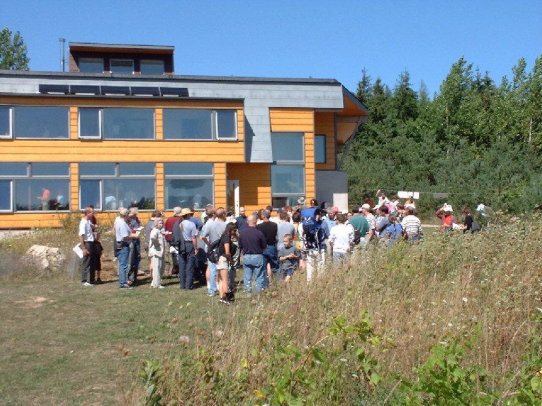
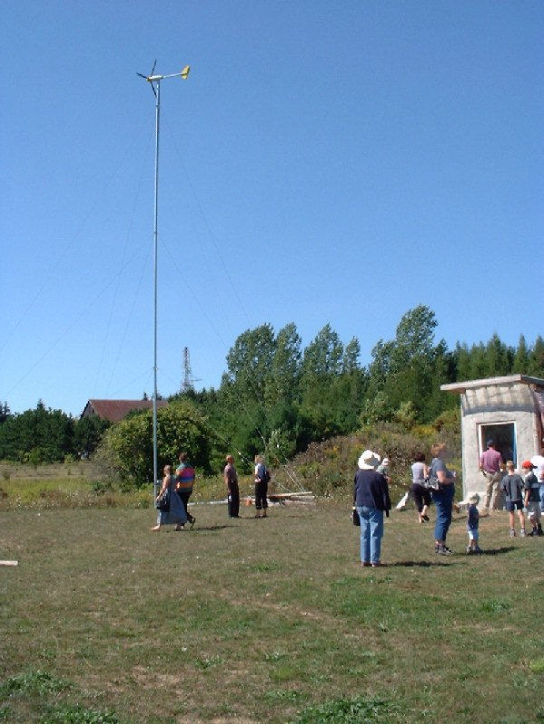
Tour a working solar/wind powered home. See the awarding winning Wilson Natural Home. John Wilson will be giving tours. Learn about the amazing green roof, straw bale walls, and passive solar design featu res. Talk to the experts to find out how you too could be running your meter backwards.
For more information on attending or exhibiting: Web Site: www.NaturalLifeNetwork.com/sunfest2004/Phone: 519-942-3266 E-Mail: john.wilson@naturallifenetwork.com-
Join Us
Become a part of a community of people around the world dedicated to living in harmony with nature. We've created this network so that we can all share our ideas, experiences and knowledge. The changes we envision are revolutionary; however our goals are to make them the norm. The organization is about the practical, inspiring and real application of living gently on the earth so that our children may enjoy a clean, healthy and productive environment.
The simple point is that we all can "do" much more - and that means all of us or it won't work. For example:
§ Choose or create a home/community that is powered by the sun; § Grow and eat organic food; § If you must travel select the most efficient means, walk, bicycle, tele-commute, travel by train, bus, ultra-efficient car, or fly; § If and when possible, work in nature - grow your own
organic food, restore nature around you, put your investments to work for natural living. What will amaze you that everything we need to live this way exists. The cost over the longer term is less. The results are a happier more healthy self and family. Start learning how today. Member benefits:
Monthly Natural Living Journal full electronic edition.
E-Mail Question & Answer (3 per year, no more than 1 per month.)
Directory listing (optional ) and Natural Directory.
Discounts on some products and services offered by Natural Life Network. Sign-up for membership at: www.NaturalLifeNetwork.com-
Next Issue
Six Thousand Square Foot Solar Powered Straw Bale Co-Housing in Conservative Urban Setting For weekly updates, special offers, and additional products and services visit our web site: www.NaturalLifeNetwork.comHave a question? Ask us and we'll try and include a response in our next issue of the Natural Living Journal . Have an interesting story to tell that relates to natural living? Contact us any time with your questions, concerns or ideas at: john.wilson@naturallifenetwork.com-